Plastic Molding
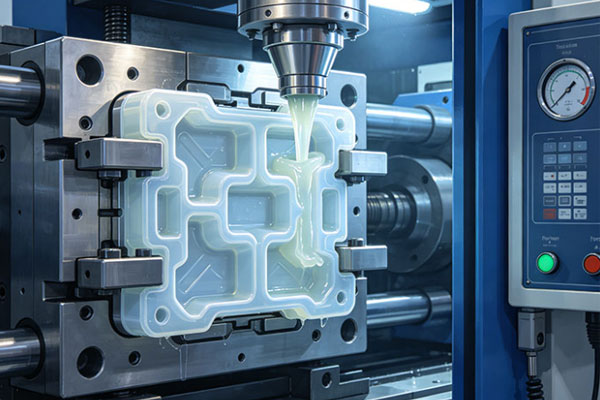
Plastic molding is a mainstream manufacturing technique to mass-produce customized plastic components with stable dimensional accuracy and elaborate structural details. The core workflow injects heated molten plastic into precision metal molds under controlled pressure; after cooling and solidifying inside the cavity, finished plastic products are ejected from the molds.
This process is well-suited for complex-shaped customized parts and large-volume batch production. Supported by varied molding technologies including injection molding, blow molding and compression molding, it can process multiple resin materials such as ABS, PP and PC. Widely adopted in automotive, consumer electronics, medical equipment and home appliance industries, custom plastic molding balances dimensional precision and production efficiency to satisfy diversified personalized part requirements.
Advantages of Plastic Molding
High Production Efficiency
Automated injection molding enables fast cyclic molding, supporting high-volume mass production. It drastically shortens manufacturing cycles and effectively cuts down unit production cost for bulk orders.
Outstanding Design Flexibility
It can fabricate intricate, thin-wall and multi-feature customized plastic parts that are hard to make via traditional machining. Various resin materials like ABS, PP, PC are available to match different hardness, heat-resistance and usage needs.
Superior Dimensional Consistency
Precision molds ensure uniform size and shape across all finished products. Each molded part maintains tight tolerance and stable quality, minimizing dimensional deviation in continuous batch production.
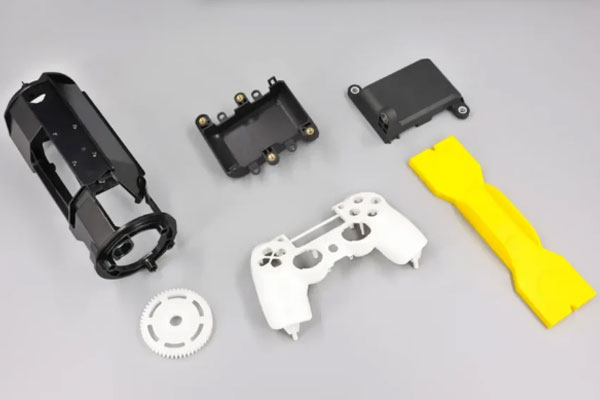
Plastic Molding Industry Applications

Robtics

Communications

Electronics

Automotive

Medical

Energy

Aerospace

Consumer Products
Materials
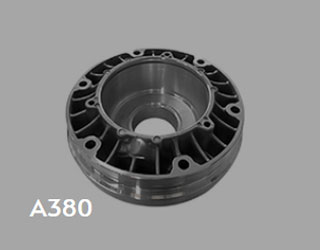
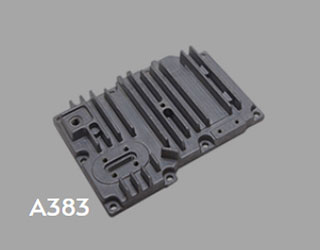
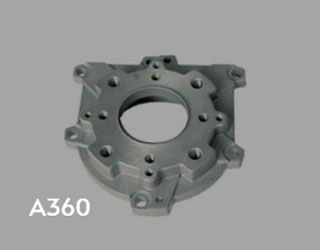
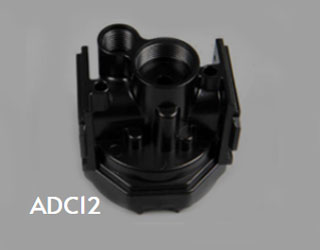
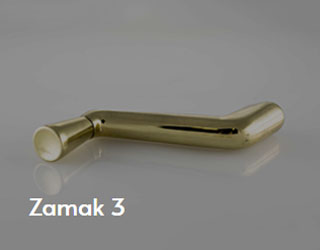
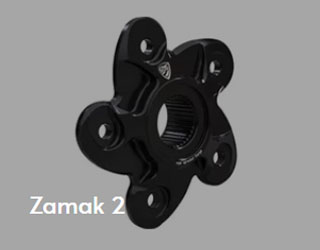
Choosing the right material involves considering factors such as the intended use of the part, mechanical properties required (strength, hardness, ductility), thermal properties, corrosion resistance, and cost considerations. Each material has its advantages and limitations, so consulting with our experienced engineers and material experts can help you make the best choice for your project. You can learn more about the main types of die casting materials we offer in the sections below. If you have a specific material request, just let us know!
Why Choose Us
We strictly implement ISO quality standards and have received ISO 9001: 2015 certification. This means our production lines feature advanced technologies that give manufacturing precision and accuracy. With sophisticated measuring and testing equipment in house, we verify that all materials and parts will meet your specifications.

Instant Quoting
If your RFQ contains clear information, quotations are typically delivered in a few hours.

Industry Experience
Having carried out rapid prototyping and rapid manufacturing since 2010, our engineers have built up rich experience. We can handle all types of projects.

Massive Network
Our in-house facilities allow us to get your projects done fast. And thanks to our strong relationship with rapid manufacturing partners, our capacity is not limited.

30K+ Projects Delivered
Over 30K projects have been sent to our customers worldwide since we started in 2010, and we have received countless positive comments.
Share your CAD drawings, specify material selection, dimensions and surface finishing needs for your plastic molding project.
Our engineers conduct DFM analysis and provide a detailed quotation. Once confirmed, we proceed with mold fabrication and sample production.
After sample approval, we start mass production. Finished parts go through strict QC inspection before packaging and shipment.
CNC Machining Finishes
We offer 10+ surface finish options for your CNC prototypes and full production parts. Our extensive options allow you to match finishes to your parts’ specific requirements and applications.
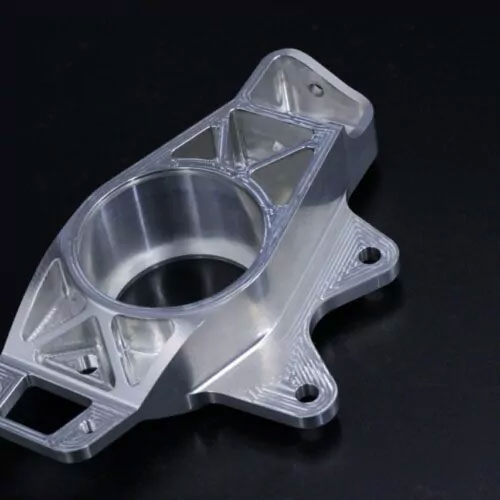
As machined
This finish leaves the surface directly from the CNC machine, providing a cost-effective option with visible tool marks.
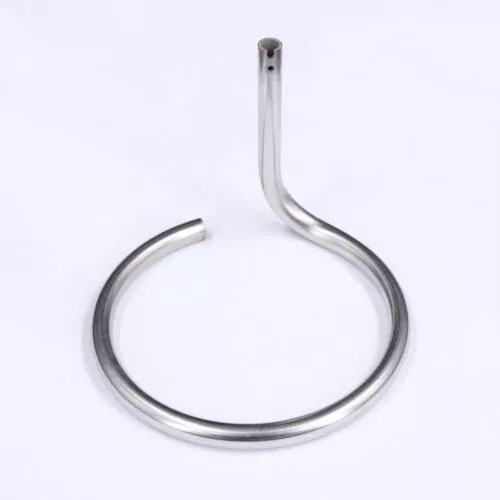
Sanding & Polishing
This process smooths the surface by removing tool marks, resulting in a refined finish with varying levels of gloss and texture.
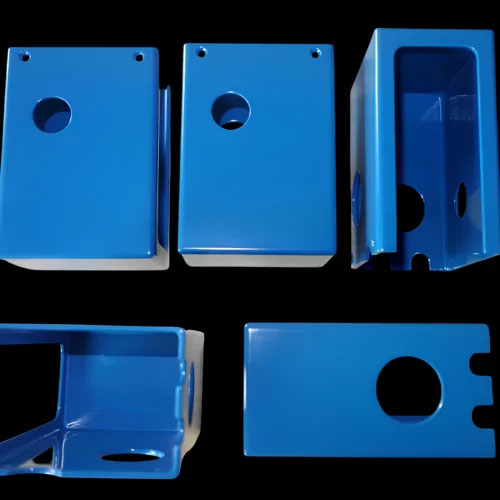
Powder coat
A durable, wear-resistant finish applied electrostatically and cured under heat, providing a uniform, protective coating in various colors.
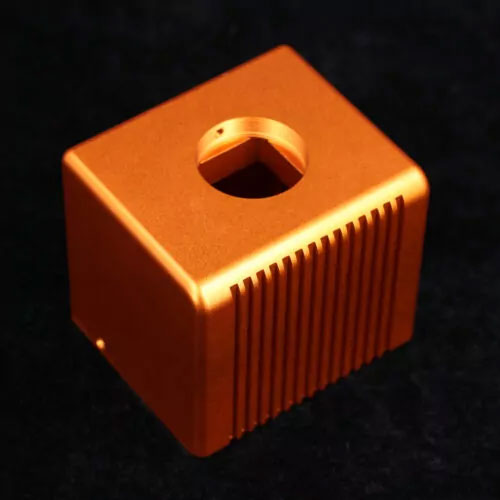
Anodized
An electrochemical process that enhances surface durability, corrosion resistance, and appearance, available in various colors with a smooth or matte finish.
FAQ